

Instruction Links
Note: There should be cause for concern if the version number shown in the screenshots is lower than the installer versions actually downloaded.
Git
Use the installer
Execute the downloaded installer.

If the User Account Control dialog shows up, click Yes.

Click Next.

Let the destination location be in C:\Program Files\Git and click Next.

Do not change the default selected components and click Next.

Allow the installer to create a Start Menu folder and click Next.

Do not change the default editor to be used by Git and click Next.

Allow Git to be used in command-line and from 3rd party software then click Next.

Do not change the HTTPS transport backend to be used and click Next.

Do not change the default line ending conversion configuration and click Next.

Do not change the default terminal emulator for Git bash and click Next.

Do not change the configuration of extra options and click Install.

Wait for the installer to finish.

Uncheck View Release Notes and click Next to close the installer window.

Verify installation
To verify installation of Git, press Windows Key + R then type cmd to open a command prompt.

Inside the command prompt, type git –version to output the version of the installed program.

Sublime Text 4
Use the installer
Execute the downloaded installer.

If the User Account Control dialog shows up, click Yes.

Let the destination location be in C:\Program Files\Sublime Text 3 and click Next.

Leave the Add to explorer context menu unchecked and click Next.

Confirm installation settings by clicking Install.

Wait for the installer to finish.

Click Finish to close the installer window.

Verify installation
Open the Start Menu and scroll down on the installed programs to find Sublime Text.

Python
Use the installer
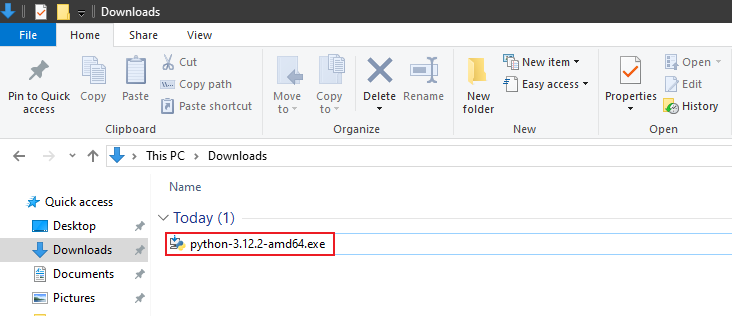
Execute the downloaded installer.
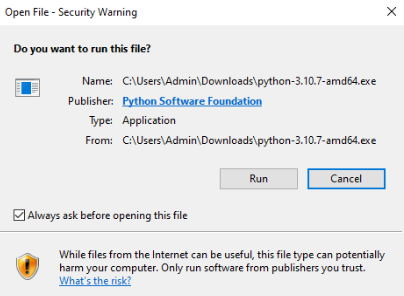
A pop-up menu will appear asking permission to run the installer, click on Run. If another pop-up menu appears asking to allow the installer to make changes to the device click on Yes.
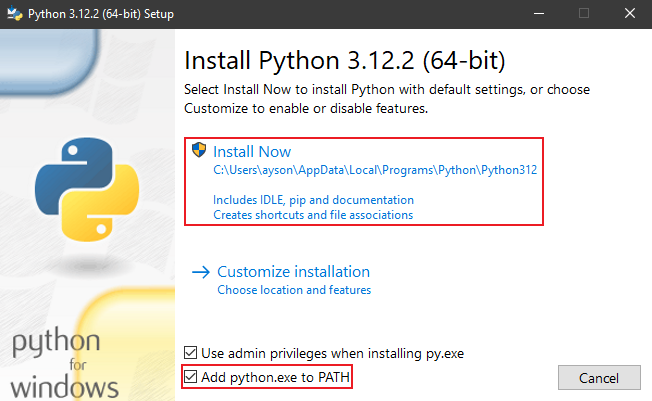
Click on the Add Python to Path checkbox to include the terminal command path during installation and click on the Install Now option once the installation window appears and wait for the installation to finish.
Once the installation has finished, click on the Close button and complete the installation.
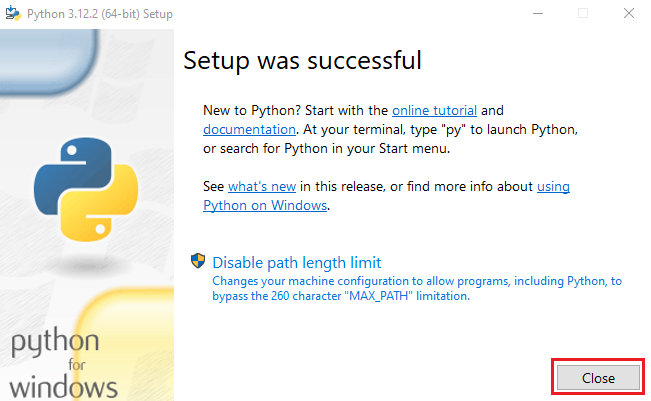
Verify installation
To verify the installation of Python, open a terminal window and trigger the command python –version to check the currently installed version of Python.

Session 0: Environment Checks Activity
Diagnostic Script Tool for Data Structure (Windows)
Goal: Verify that all necessary software and applications are installed on your machines (computers).
Directions: Follow the set of instructions below.
Step 1: Download the zip file here: zuitt-diagnostic-tools-win.zip
Step 2: Unzip the file: zuitt-diagnostic-tools-win-v3.zip
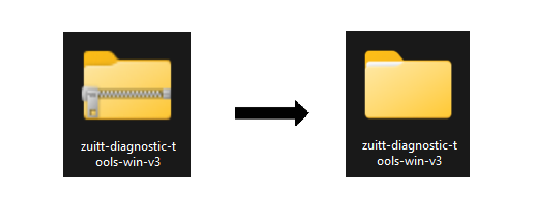
Step 3: Navigate to the zuitt-diagnostic-tools-win folder. All required content should be inside this directory.
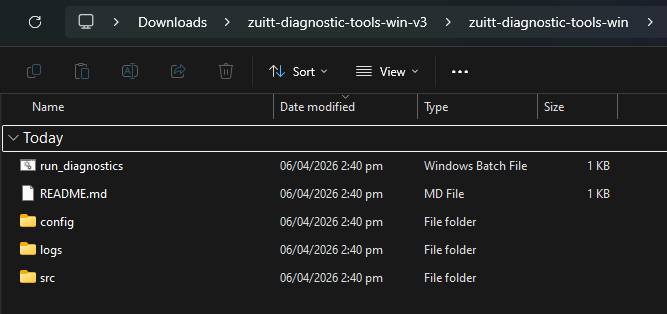
Step 4: Open your Git Bash/Terminal
Note: If Git is already installed, select “Git Bash Here.” Otherwise, choose “Open Terminal”
Step 5: You can run diagnostics for Data Structure by passing it as an argument to the script:
./run_diagnostics.bat data_structure
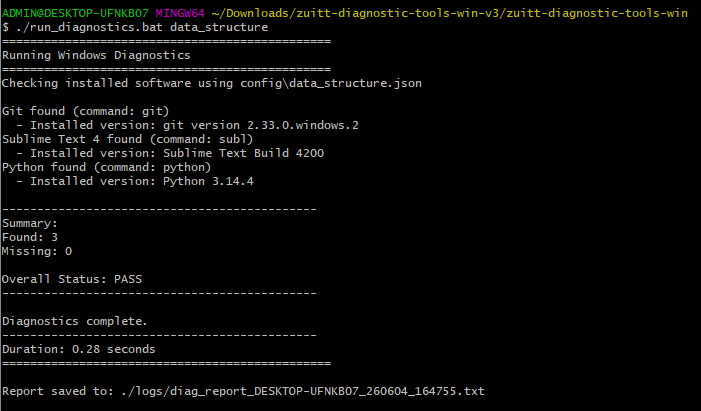
Note: If any applications, tools, or software are missing, install them first, then re-run the command.
Step 6: After running the diagnostic tool, a text file will be generated inside the logs folder.
Inside the .txt file
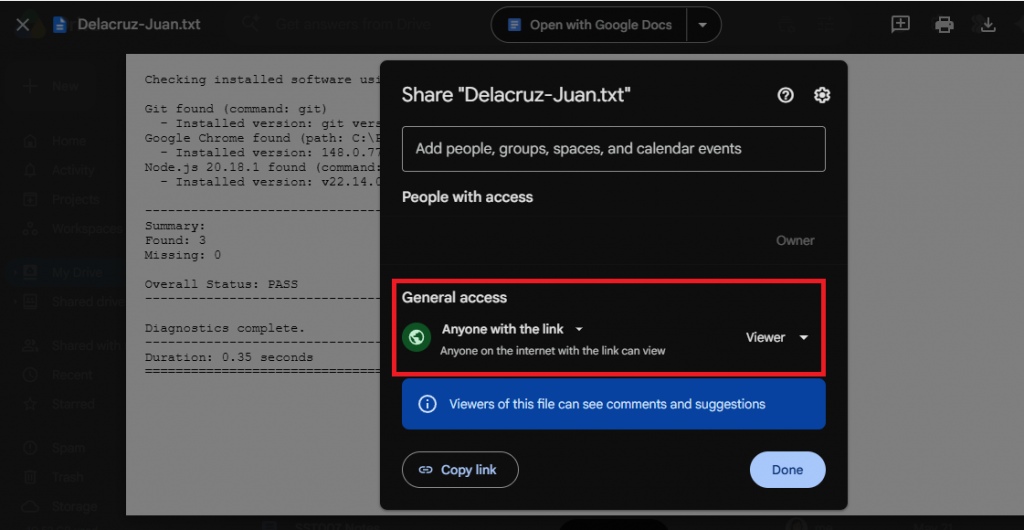
Step 7: Save the .txt file to your Google Drive and rename it using the format <LastName>-<FirstName>.
Example: Delacruz-Juan.txt
Make sure the file’s sharing settings are set to Anyone with the link can view. Then, submit the Google Drive link to your instructor on the first day of your class/session.
If you’ve stumbled upon this blog post and aren’t a bootcamper, you can begin your bootcamp journey with Zuitt by clicking this link: